Grupo Presidente Restaurants
Eight brands. Eight distinct worlds.
That they don't look alike is the work.
The proof
Eight rooms, shot and written as eight different places.
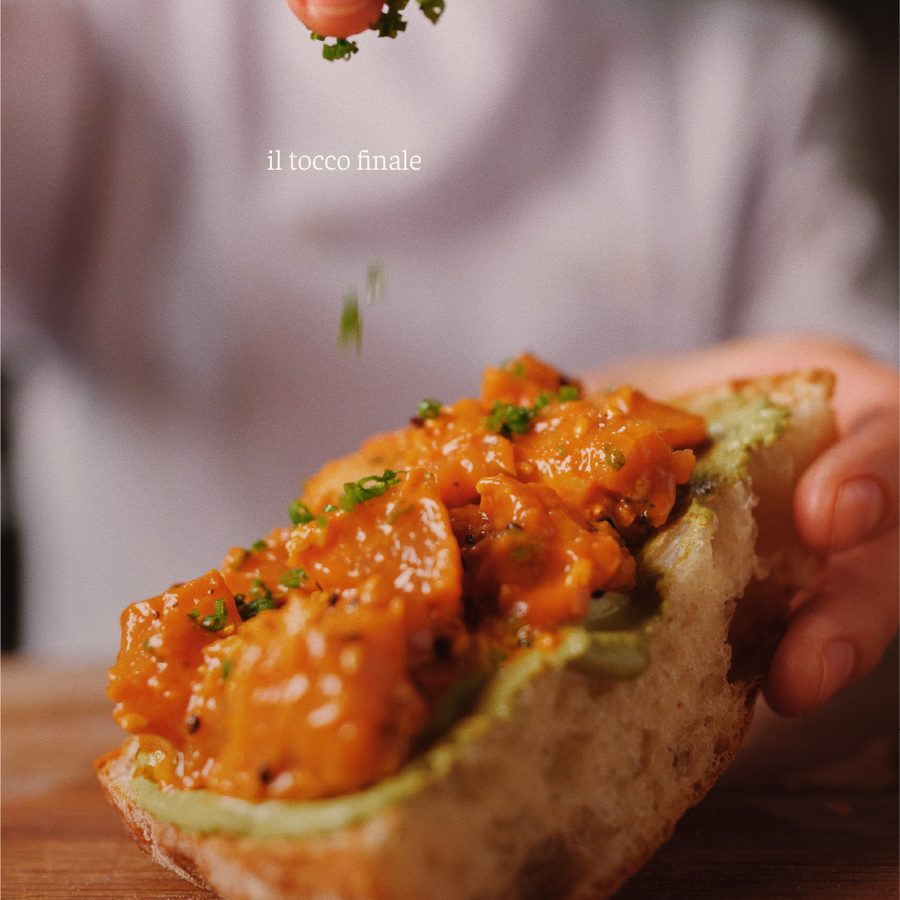
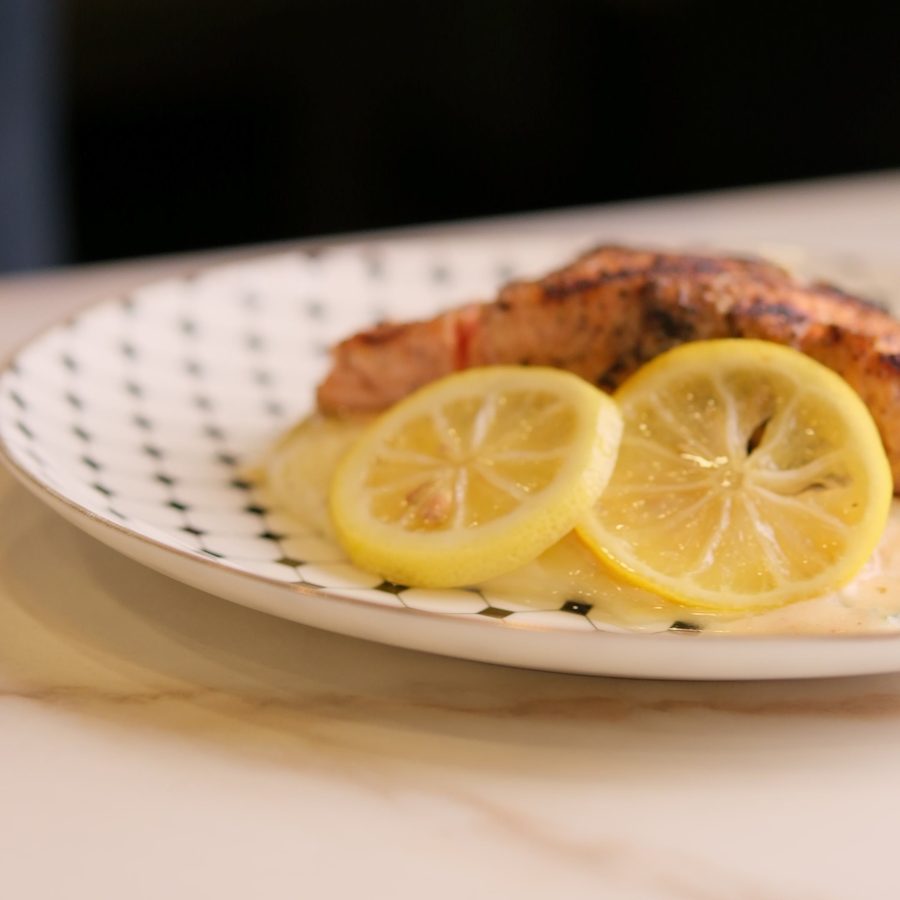
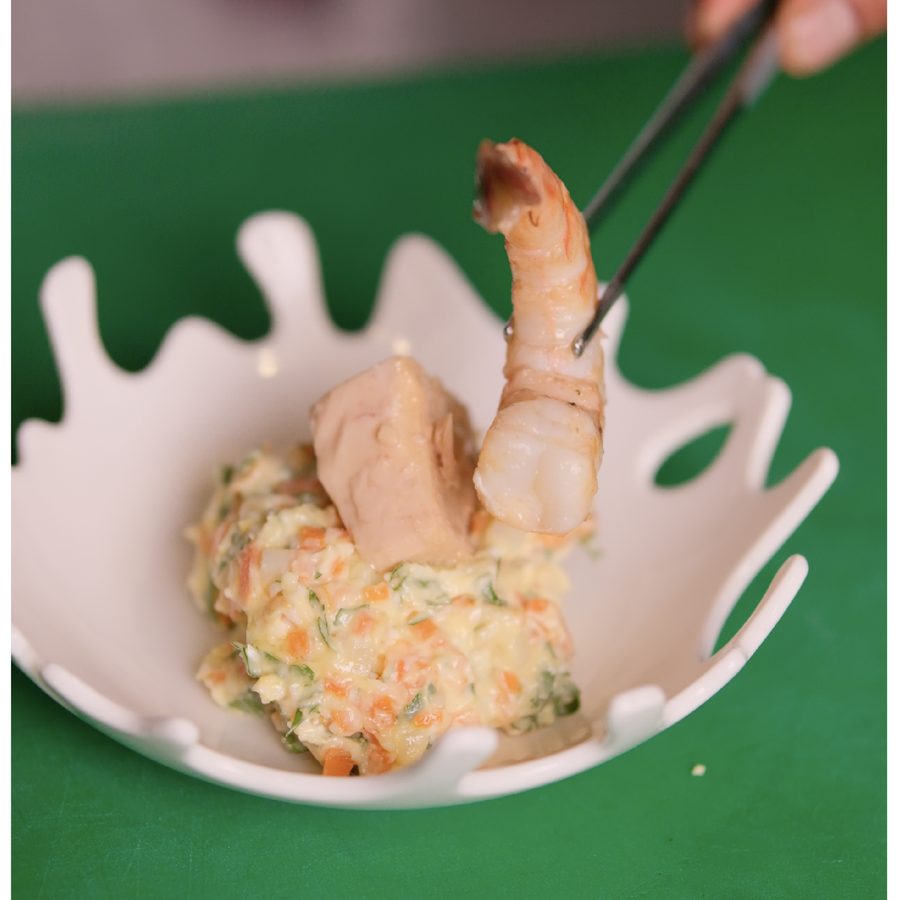
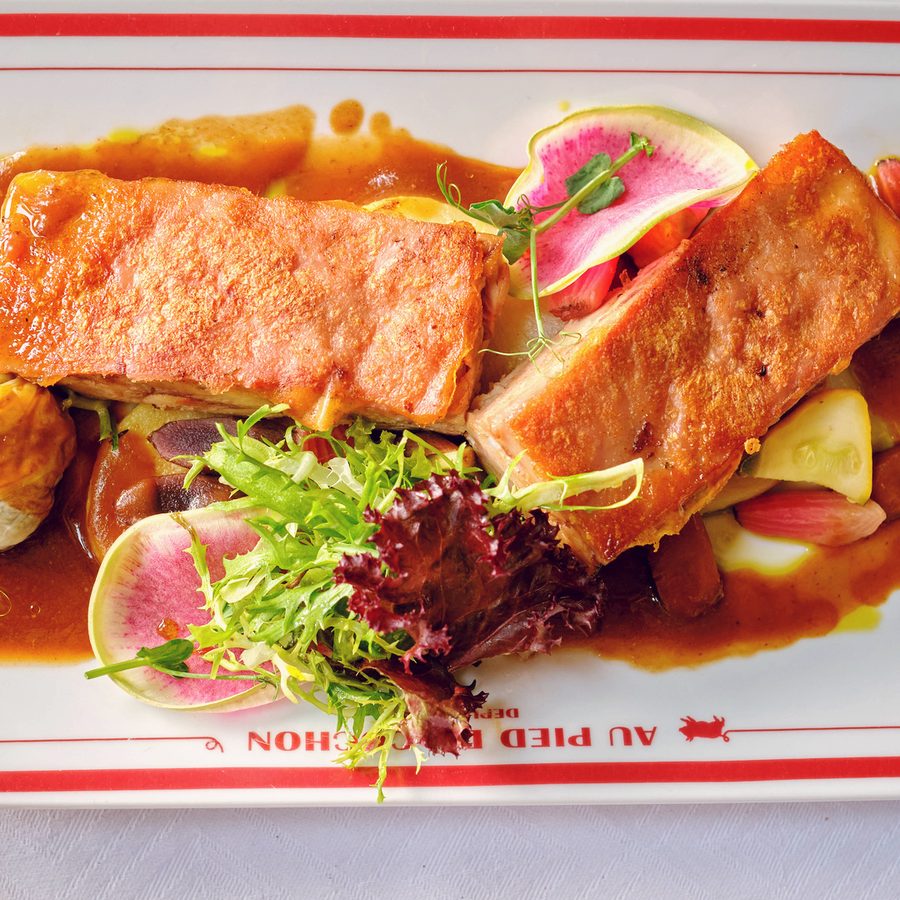
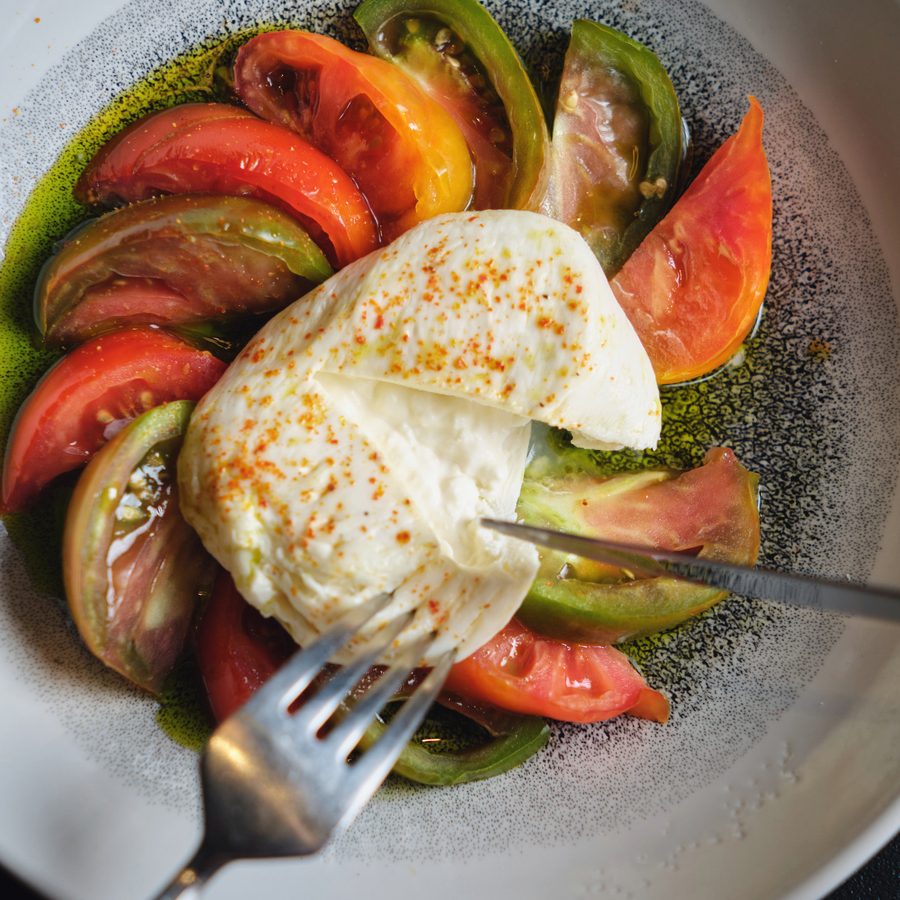
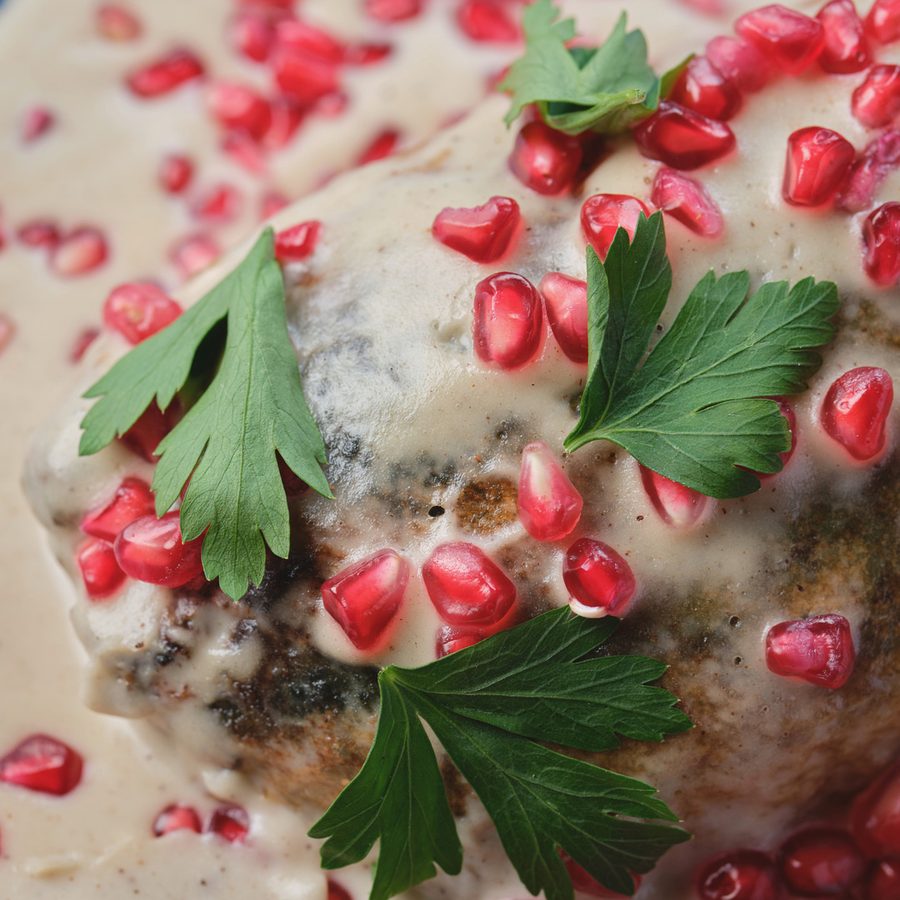
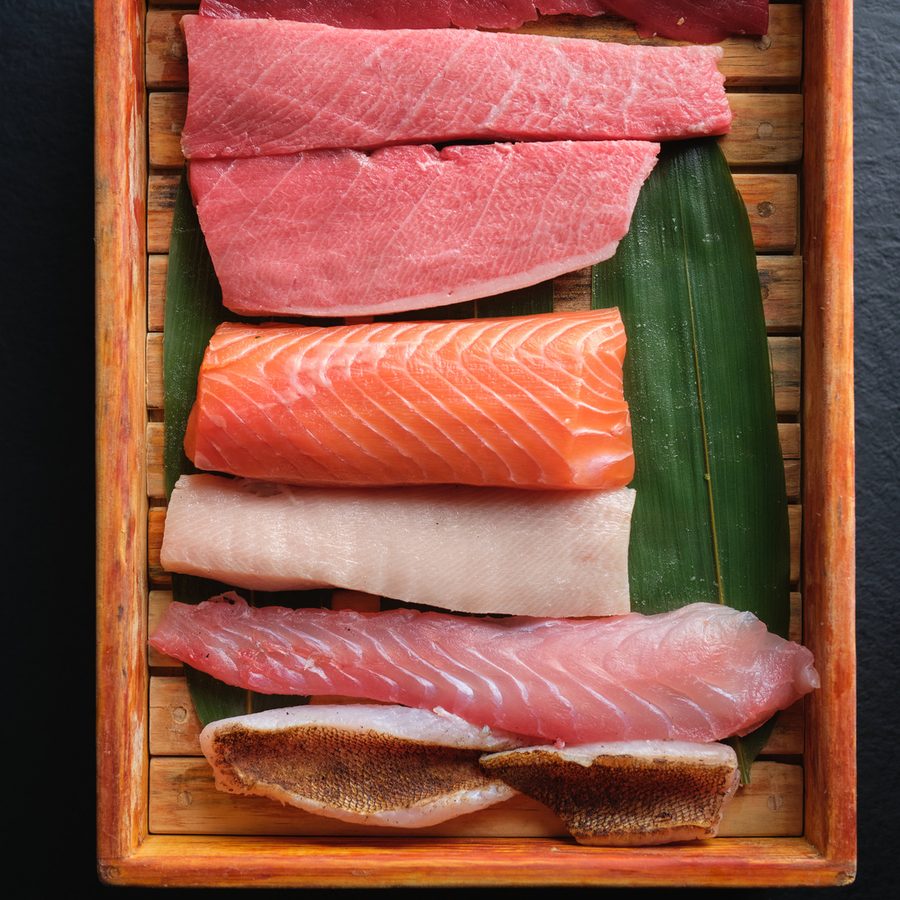
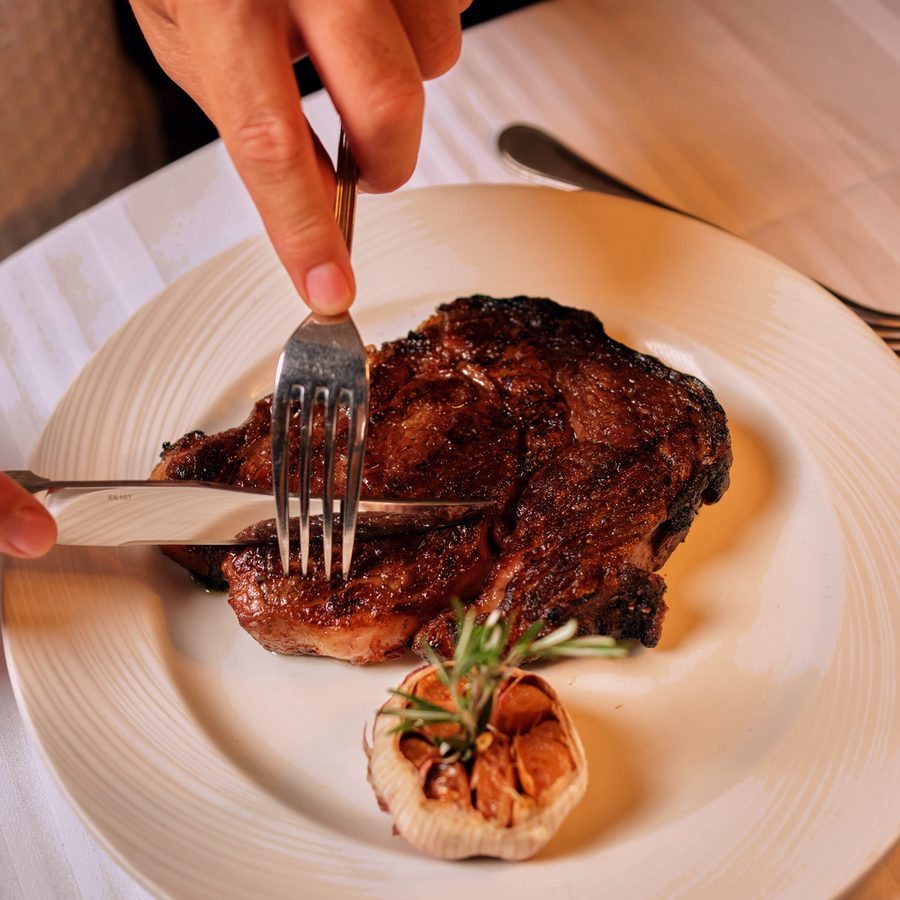
Visual content created in collaboration with Carlos Urquijo — FotosMentales.com
The test
Fix the shot, and the only variable left is how each restaurant sees.
One served dish per brand, framed identically. Graded independently, they land in seven different places — which is the point. Difference here is a decision, not a matter of taste.
| Brand | Temperature | Shadow | Character |
|---|---|---|---|
| Lilōu | Cool | Open | Daylight, soft shadow |
| Tokoya | Cool | Closed | Everything lives in low light |
| Au Pied de Cochon | Temperate | Medium | Pressed linen and the house red |
| Chapulín | Temperate | Medium | Fire, talavera and pomegranate |
| Alfredo di Roma | Warm | Medium | Wood, cream and gold |
| Amaral | Warm | Medium | White linen, midday light |
| The Palm | Warmest | Most closed | Steakhouse register |
In motion — September 2026
Each kitchen moves differently too.
The Challenge
Eight restaurants sit inside one hospitality group — a steakhouse, a brasserie, a Japanese counter, a Roman dining room, a contemporary Mexican kitchen, and more. They share ownership, operations and calendars, which makes a single house style the path of least resistance.
It is also the expensive one. When eight restaurants are presented in one voice and one look, the group stops offering eight reasons to book and starts offering one.
And it arrives on a calendar. Eight monthly systems fall due inside the same window, every month, against shared kitchens, shared production days and one review. Everything about that pressure argues for making the work once and distributing it eight ways.
The Ambition
Operational unity without visible sameness. One team, one standard and one point of accountability — and eight restaurants a guest would never mistake for one another.
The Response
Insight
Nobody books a group. Guests choose a specific room, on a specific night, for a specific reason. Inside a portfolio, difference is not a stylistic preference — it is the commercial asset.
Idea
Eight brands. Eight distinct worlds. Each restaurant is treated as its own character, with its own voice, its own frame and its own light — held together not by a shared look, but by a shared standard of craft.
Decision
The efficiency had to come from the system, not from the brands. Strategy, production and review are centralised; the verbal and visual register of each restaurant is protected and never templated. Templating was the one saving that would have paid for itself immediately, and the only one that would have cost the group its eight reasons to book.
System
Each brand runs on its own verbal identity and copy architecture, its own art direction and photographic treatment, and its own monthly content grid — produced brand by brand rather than batched. Film is commissioned where a story needs motion. What is shared is the infrastructure underneath: production standards, review, cadence and ongoing stewardship.
The channels are run here too. All visual content for the eight, and the social and community management with it — publishing, scheduling and day-to-day response — so the voice a guest meets in the comments is the same one the brand was written in.
The Impact
September is where the system had to prove it. A single round closed seven monthly grids at once — each restaurant entering with one production session and coming out with its own register, produced brand by brand rather than batched and redistributed.
It draws on a 2026 library of 2,812 photographs and 1,240 video pieces, every frame of it originated here, since none of these restaurants had an image bank to begin with. The volume is not the achievement. Eight registers held apart across all of it is.
Film is produced to the same standard, including a dedicated 4K film built around a seasonal dish for Chapulín, cut from a full production day of footage and interviews.
Eight communication systems now run simultaneously under one stewardship model. The group briefs one team, reviews one process, and gets eight restaurants that do not look like each other.
That they don't look alike is the work.
What this project proves